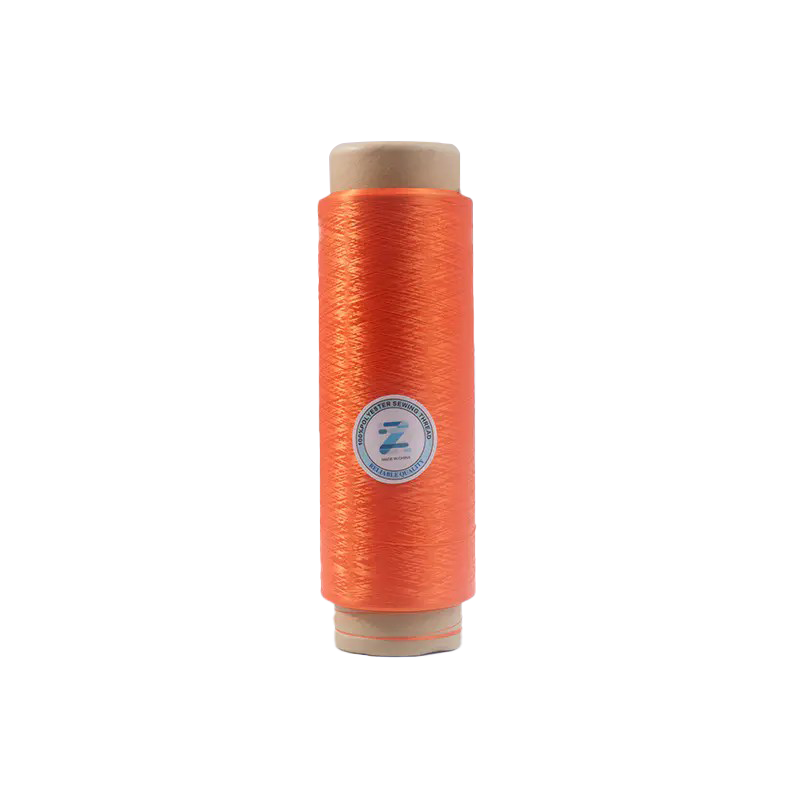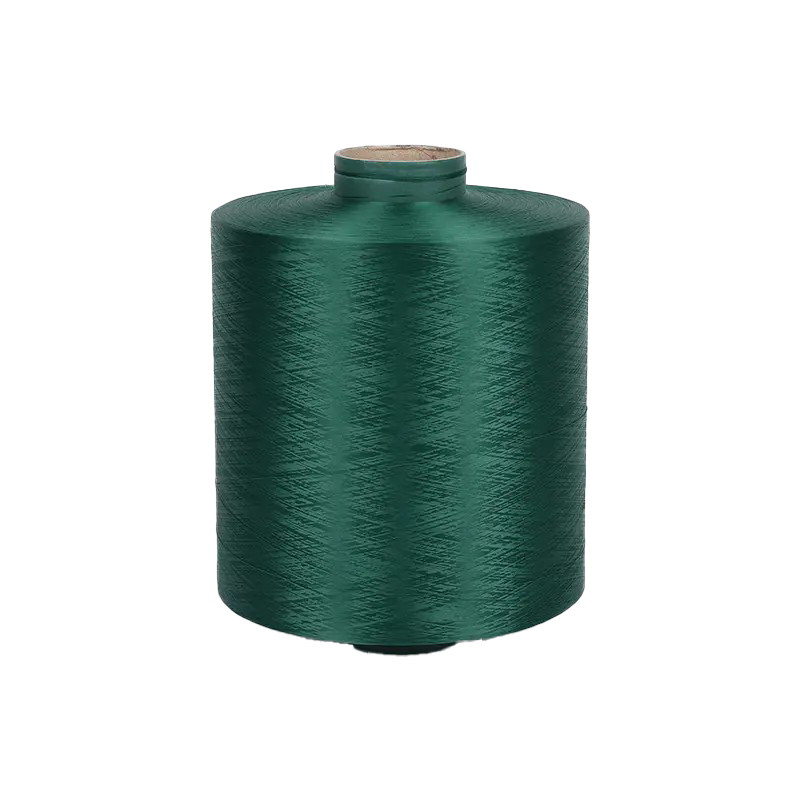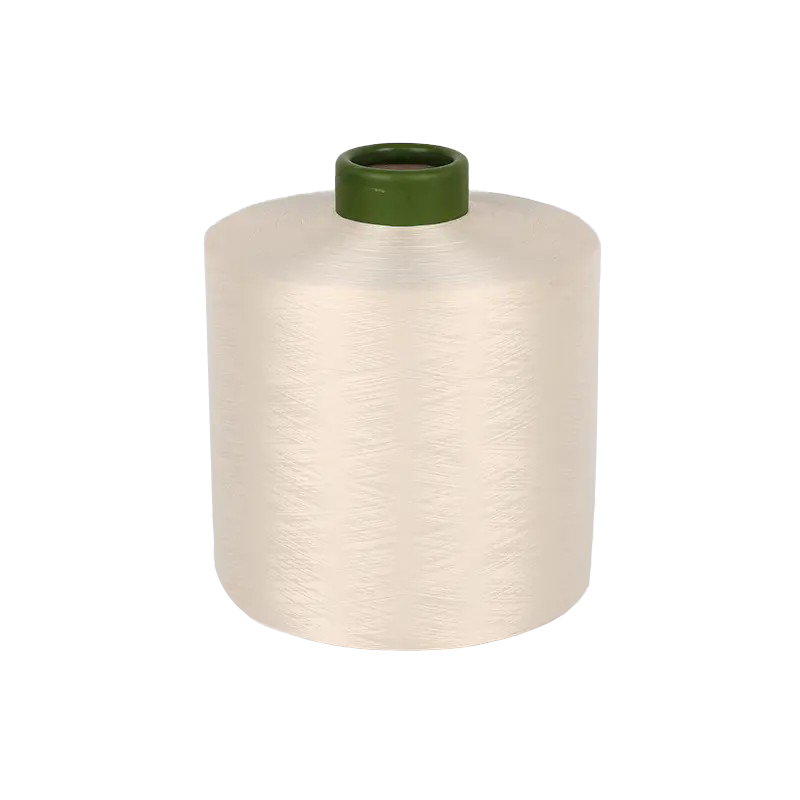


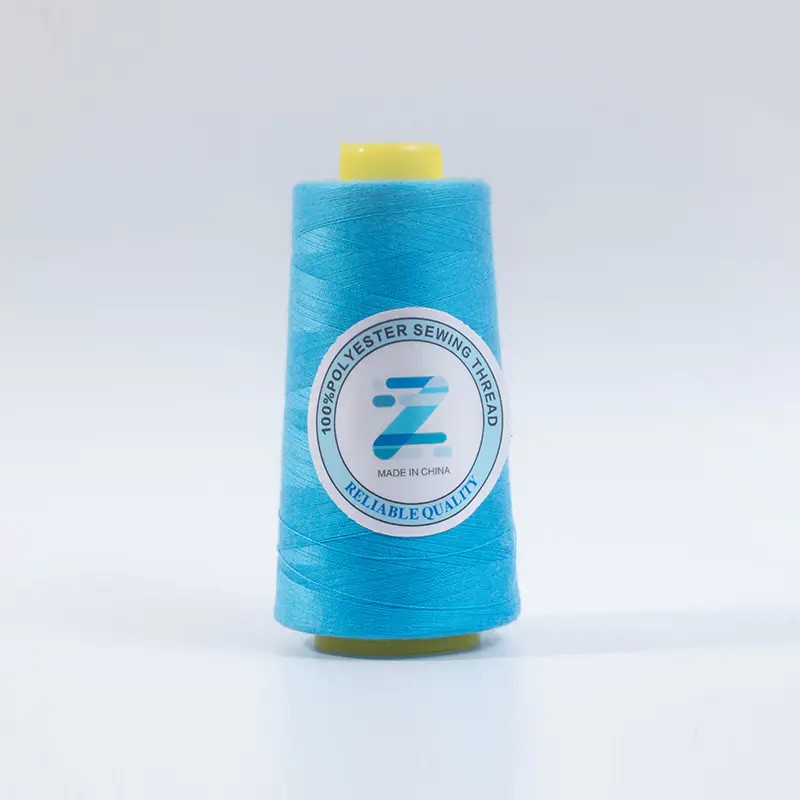
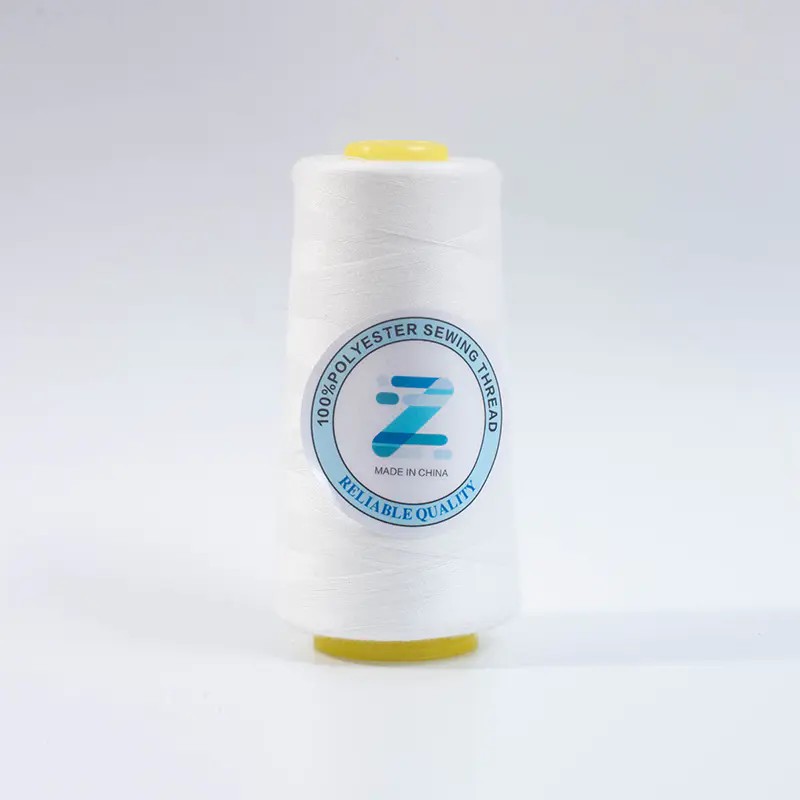
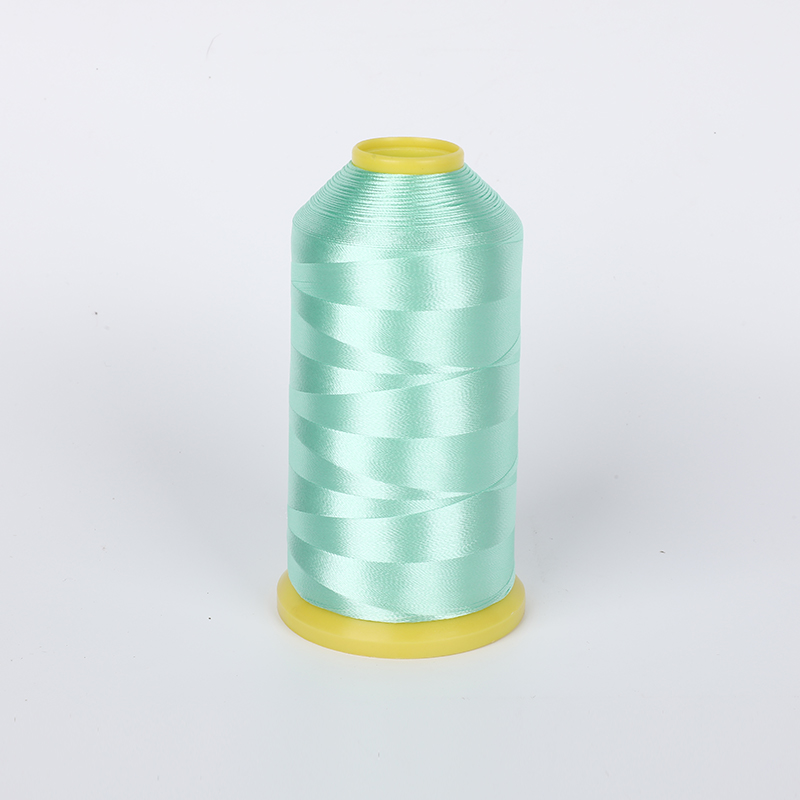
Déantar snáitheanna trí shnáithíní - nádúrtha nó sintéiseacha - a sníomh nó a easbhrúite ina snáitheanna leanúnacha, ansin iad a chasadh, a chríochnú, agus iad a fhoirceannadh ar spóil le húsáid. Tá difríocht shuntasach idir an próiseas déantúsaíochta cruinn ag brath ar an gcineál snáithín: snáithe bróidnéireacht poileistear atá sníofa leá ó sceallóga polaiméire, snáithe bróidnéireachta réón atá fliuch-sníofa ó cheallalós tuaslagtha, snáithe fuála níolón a tharraingt ó pholaiméirí polaimíd, agus ginearálta snáithe fuála nascann sé sníomh le cóireálacha críochnú ilchéime. Nuair a thuigeann tú conas a dhéantar gach snáithe cabhraíonn sé leat an cineál ceart a roghnú le haghaidh bróidnéireachta, fuála nó tógáil éadaigh - agus míníonn sé cén fáth a n-iompraíonn siad chomh difriúil sin faoi theannas, teas agus dath.
An Próiseas Uilíoch Déanta Snáithe: Ó Snáithín go Spól
Beag beann ar ábhar, leanann gach déantúsaíocht snáithe seicheamh roinnte de chéimeanna lárnacha. Toisc an creat seo a bheith ar an eolas is fusa a thuiscint cá bhfuil éagsúlacht ag baint le gach cineál snáithe.
- Táirgeadh snáithíní – Déantar amhábhar (sliseanna polaiméire, laíon adhmaid, nó snáithíní nádúrtha) a thiontú ina fhiliméid aonair nó ina snáithíní stáplacha trí sníomh nó easbhrúite
- Líníocht agus síneadh – Déantar filiméid a shíneadh go meicniúil chun slabhraí móilíneacha a ailíniú, rud a mhéadaíonn neart teanntachta suas le 300%
- Ag breacadh agus ag casadh – Déantar snáitheanna aonair iolracha a chastar le chéile i dtreo rialaithe (S-twist nó Z-twist) chun snáithe cobhsaí cothromaithe a dhéanamh
- dathú – Déantar snáithe a ruaimniú i bhfoirm shnáithíneach (daite le tuaslagán) nó tar éis sníomh ag baint úsáide as aigéad, imoibríoch nó ruaimeanna scaipthe ag brath ar cheimic shnáithíneach
- Críochnú cóireálacha – Cuirtear bealaidh, softeners, nó gníomhairí gloinithe i bhfeidhm chun cuimilte a laghdú agus feidhmíocht snáthaidí a fheabhsú
- Foirceannadh – Déantar an snáithe críochnaithe a fhoirceannadh ar chóin, ar spóil nó ar eiteáin ag teannas a rialaítear go beacht le haghaidh scaoileadh comhsheasmhach
Is é an meáchan, an uillinn casta, an líon plies, agus an cheimic chríochnaithe a dhéanann idirdhealú idir snáithe bróidnéireachta agus snáithe fuála struchtúrach - fiú nuair a dhéantar iad as an mbonn-pholaiméir céanna.
Conas a Dhéantar Snáithe Bróidnéireachta poileistir
Déantar snáithe bróidnéireachta poileistear a mhonarú trí phróiseas ar a dtugtar leá sníomh , a thosaíonn le sceallóga polaiméire poileitiléin teitreaftaláit (PET) - an t-ábhar bonn céanna a úsáidtear i mbuidéil phlaisteacha, scagtha go grád teicstíle.
Céim ar Chéim: Táirgeadh Snáithe poileistir
- Leá polaiméire – Triomaítear sceallóga PET chun an taise a bhaint, ansin leáigh siad thart ar 280–290°C in easbhrúiteoir
- Easbhrúite trí spinnerets – Cuirtear iallach ar pholaiméir leáite trí phláta spinneret ina bhfuil na céadta poll beag bídeach, gach ceann acu ag táirgeadh filiméad leanúnach amháin
- ag múchadh – Déantar filiméid a fhuarú go tapa le haer nó le huisce chun a struchtúr a sholadú sular féidir leo comhleá a dhéanamh
- Líníocht – Déantar filiméid fhuaraithe a shíneadh chuig 3-5 huaire a gcuid fad bunaidh , slabhraí polaiméire a ailíniú agus neart a mhéadú go suntasach agus fadú a laghdú
- Uigeacht (do ghráid bróidnéireachta) – Féadfaidh filiméid a bheith ina n-aerscairde nó ina n-uigeacht bhréagchúrtha chun bulc a chur leis agus chun clúdach na fabraice a fheabhsú
- dathú with disperse dyes – Éilíonn poileistir ruaimeanna scaipthe a chuirtear i bhfeidhm faoi ardbhrú agus teocht (130°C) toisc go bhféadann a struchtúr hidreafóbach ruaimeanna uiscebhunaithe a sheasamh.
- Casadh agus plying – Déantar filiméid a chasadh ina struchtúir 2 phéire nó 3 phéire le cóimheasa rialaithe twist-in-orlach (TPI) le haghaidh feidhmíochta cothromaithe
Is é an toradh snáithe le luas tapa datha den scoth (rátálacha nite 4–5 ar scála 5 phointe) , ard-neart teanntachta, agus friotaíocht le díghrádú UV - agus is é sin an fáth go bhfuil snáithe bróidnéireachta poileistear i gceannas ar fheidhmchláir bróidnéireachta tionsclaíochta agus tráchtála, rud a thugann cuntas measta 60-70% den tomhaltas snáithe bróidnéireachta domhagusa .
Conas a Dhéantar Snáithe Bróidnéireachta Rayon
Snáithe bróidnéireachta réón - ar a dtugtar freisin réón vioscós - is a snáithín leathshintéiseach díorthaithe ó cheallalós, a fhaightear go hiondúil ó laíon adhmaid (feá, eucalyptus nó bambú de ghnáth). Tá a phróiseas déantúsaíochta, ar a dtugtar an próiseas vioscós , tá sé níos casta go ceimiceach ná táirgeadh poileistear.
An Próiseas Vioscós le haghaidh Snáithe Réón
- Eastóscadh ceallalóis – Déantar leatháin laíon adhmaid a chóireáil le hiodrocsaíd sóidiam (NaOH) chun ceallalós alcaile a tháirgeadh, ag at na snáithíní agus á ndéanamh imoibríoch
- Xantation – Imoibríonn ceallalós alcaile le déshuilfíd charbóin (CS₂) chun xanthat ceallalóis a fhoirmiú, solad oráiste, brioscach
- Tuaslagadh i vioscós – Déantar xanthat ceallalóis a thuaslagadh i NaOH caol chun leacht slaodach cosúil le mil a dtugtar vioscós a tháirgeadh (mar sin an t-ainm)
- Aibiú agus scagadh – Tá tuaslagán vioscós aois 24-48 uair an chloig chun an slaodacht optamach a bhaint amach, ansin scagtha chun cáithníní neamhthuaslagtha a bhaint
- Sníomh fliuch – Déantar vioscós a easbhrú trí spinnerets isteach i ndabhach téachta d’aigéad sulfarach agus sulfáit sóidiam, a athghiníonn ceallalós mar fhiliméid leanúnacha
- Níochán agus desulfurizing – Déantar filiméid a ní, a chóireáil chun comhdhúile iarmharacha sulfair a bhaint, agus tuartha chun bonn geal bán a bhaint amach
- dathú with reactive dyes – Nascann struchtúr ceallalósacha Rayon go maith le ruaimeanna imoibríocha, ag táirgeadh an go heisceachtúil bríomhar, dathanna ard-luster is eol do réón
Tugann struchtúr ceallalóis nádúrtha Rayon a sheen síoda-mhaith agus lámh bog nach féidir leis an poileistear sin a mhacasamhlú go hiomlán - agus is é sin an fáth gurb é an rogha is fearr fós le haghaidh bróidnéireachta maisiúil nuair is tábhachtaí an saibhreas amhairc ná marthanacht. Mar sin féin, tá snáithe réón thart ar 30-40% níos laige nuair fliuch ná nuair a bhíonn sé tirim, rud a fhágann nach bhfuil sé oiriúnach d'iarratais struchtúracha ard-strus.
Conas a Dhéantar Snáithe Fuála Níolón
Táirgtear snáithe fuála níolóin ó pholaiméirí polaimíde — is coitianta Níolón 6 nó níolón 6,6 — trí phróiseas leá-sníomh cosúil le poileistear ach le ceimic ar leith a thugann a n-airíonna uathúla leaisteacha agus scríobach-resistant do níolón.
Céimeanna Déantúsaíochta Snáithe níolón
- Polymerization – Maidir le níolón 6, déantar monaiméir caprolactam a oscailt agus a pholaiméiriú timpeall 250°C ; le haghaidh níolón 6,6, déantar heicseamethylenediamine agus aigéad aipeach a chomhdhlúthú i polaimíd slabhra fada
- Foirmiú sliseanna – Déantar polaiméir leáite a easbhrú isteach i ribíní, a fhuaraithe, agus a ghearradh ina sceallóga aonfhoirmeacha chun iompar leá comhsheasmhach a dhéanamh
- Leáigh sníomh – Déantar sceallóga a ath-leá agus a easbhrú trí rothlaithe ag 260–290°C isteach filiméid
- Líníocht fuar – Tarraingítear filiméid ag teocht an tseomra go dtí 4-5 × a n-fhad sníofa , ag díriú ar na slabhraí polaiméire chun neart teanntachta agus leaisteachas a uasmhéadú ag an am céanna
- Socrú teasa – Déantar filiméid tarraingthe a shocrú le teas chun a struchtúr a chobhsú agus chun crapadh earraí críochnaithe a íoslaghdú
- dathú – Déantar níolón a dhathú le ruaimeanna aigéadacha, a nascann leis na grúpaí aimíde sa slabhra polaiméire, rud a tháirgeann dathú soiléir comhsheasmhach
- Casadh le haghaidh gráid fuála – Úsáideann snáithe fuála níolóin casadh in aghaidh an orlach níos airde ná snáithe bróidnéireachta chun neart a uasmhéadú d’obair leathair, coisbhirt agus feidhmchláir upholstery
Is é príomhbhuntáiste déantúsaíochta níolón a fadú ag briseadh 15-30% , a thugann solúbthacht seams críochnaithe gan briseadh snáithe. Sin é an fáth gurb é snáithe fuála níolón an rogha is mó i coisbheart (arb ionann iad agus breis is 40% d’fheidhmchláir fuála bróg ar fud an domhain) , earraí leathair, agus trealamh lasmuigh.
Conas a Dhéantar Snáithe Fuála Ginearálta
Is catagóir leathan é snáithe fuála a chuimsíonn tógálacha sníomhacha agus filiméid araon thar ilchineálacha snáithíní. Is é an snáithe fuála is coitianta a dhíoltar le húsáid bhaile agus tionsclaíoch poileistear sníofa , cé go bhfuil codanna suntasacha den mhargadh ag baint le cadás, croí-sníomh cadáis-polai, agus snáitheanna síoda.
Snáithe Fuála poileistir Spun
Murab ionann agus snáithe bróidnéireacht poileistear filament, úsáideann snáithe fuála sníofa snáithíní poileistear gearr-stáplacha próiseáilte mar an gcéanna le sníomh cadáis:
- Gearrtar barrach poileistir (beartanna de fhiliméad leanúnach) i bhfaid stáplacha de 38–51mm
- Déantar snáithíní stáplacha a chardáil chun iad a ailíniú agus snáithíní gearra a bhaint
- Déanann cíoradh an beart snáithíneach a bheachtú tuilleadh ina slisní mín
- Dréachtaítear an sliver (caolaithe) agus sníofar fáinne isteach i snáth amháin le casadh ar mhaithe le comhtháthú
- Cuirtear dhá nó trí shingil le chéile, ansin déantar an snáithe a ghasú (trí lasair) chun fuzz dromchla a dhó.
- Cuirtear bailchríoch bealaidh silicone nó céir i bhfeidhm chun teas snáthaide agus frithchuimilt an innill fuála a laghdú
Snáithe Fuála Croí-Spúin
Is minic a úsáideann snáitheanna fuála préimhe a tógáil croí-sníofa : tá croí filiméid poileistear leanúnach fillte le snáithíní stáplacha cadáis nó poileistear le linn sníomh. Nascann sé seo an neart poileistear filiméid (croí) le bog agus dromchla neamhdhíobhálach don tsnáthaid de shnáithín sníofa (truaill) . Snáithe croí-sníofa is cúis leis an gcuid is mó den snáithe fuála éadaigh thionsclaíoch a úsáidtear i ndéantúsaíocht éadaí.
Comparáid Cineál Snáithe: Próiseas Déantúsaíochta agus Príomh-Airíonna
Tugann an tábla thíos achoimre ar conas a dhéantar gach cineál snáithe agus cad iad na hairíonna a eascraíonn as a phróiseas déantúsaíochta:
| Cineál Snáithe | Amhábhar | Modh Casadh | dathú Method | Neart Eochair | Úsáid Phríomhúil |
|---|---|---|---|---|---|
| Snáithe Bróidnéireachta poileistir | sceallóga polaiméire PET | Leáigh sníomh | Scaip na ruaimeanna (130°C) | Friotaíocht UV, dath fastness | Meaisín bróidnéireacht, éadaí spóirt |
| Snáithe Bróidnéireachta Rayon | ceallalóis laíon adhmaid | Sníomh fliuch (viscose) | Ruaimeanna imoibríocha | Sheen, beocht dath | Bróidnéireacht maisiúil, lógónna |
| Snáithe Fuála níolón | Polaimíd (níolón 6/6,6) | Leáigh sníomh cold drawing | Ruaimeanna aigéid | Leaisteachas, friotaíocht abrasion | Coisbheart, leathair, upholstery |
| Snáithe Fuála poileistir Spun | Snáithín stáplacha poileistir | Fáinne ag sníomh | Scaip ruaimeanna | Solúbthacht, geilleagar | Tógáil éadaigh ghinearálta |
| Snáithe Fuála Croí-Spúin | Cadás croí poileistir / truaill polai | Croí-sníomh | Ruaimeanna imoibríocha nó scaipthe | Neart lámh bog | Éadaí tionsclaíocha, denim |
Mar a théann Treo Casadh Snáithe agus Ply Count i bhFeidhmíocht
Dhá athróg déantúsaíochta nach n-athraíonn an t-amhábhar ach a chuireann isteach go mór ar iompar snáithe treo twist and comhaireamh ply .
Treo Twist: S-Twist vs Z-Twist
Déantar cur síos ar casadh snáithe mar S-casadh (bíseanna ó chlé go deas cosúil le lár na litreach S) nó Z-twist (ar dheis go clé). Tá an chuid is mó de shnáitheanna innill fuála Z-twisted toisc go rothlaíonn meaisíní fuála caighdeánach snáthaidí deiseal, rud a threisíonn Z-twist seachas é a réiteach. Trí úsáid a bhaint as snáithe S-twist i meaisín Z-twist is cúis le lagú snáithe de réir a chéile le linn fuála. Féadfaidh snáitheanna bróidnéireachta, a théann tríd an tsúil shnáthaid ar bhealach difriúil, úsáid a bhaint as ceachtar den dá chasadh ag brath ar an gcineál meaisín.
Comhaireamh Ply agus Neart Snáithe
Tá bróidnéireacht agus snáitheanna fuála den chuid is mó 2-dhual nó 3-ply tógálacha. De ghnáth cruthaíonn comhaireamh sraitheach níos airde snáithe cruinn, níos láidre agus níos cothroime:
- Snáithe 2-ply – caighdeán don chuid is mó de na bróidnéireacht; clúdach níos míne, níos míne
- Snáithe 3-ply – trasghearradh cruinn, a oireann níos fearr don fuála agus don fhuáil struchtúrach
- Bróidnéireacht floss 6-shnáithe – sé shnáithe atá casta go scaoilte is féidir a scaradh; a úsáidtear go coitianta i bróidnéireacht láimhe
Cén Fáth a Bhfuil Difríochtaí Déantúsaíochta tábhachtach agus Snáith á Roghnú
Cinneann an bealach a dhéantar snáithe a iompraíocht sa saol fíor - ní hamháin ar shonraíochtaí páipéir, ach in úsáid phraiticiúil. Seo a chiallaíonn gach difríocht déantúsaíochta do d’iarratas:
- Snáithe bróidnéireacht poileistear leá-sníofa seasann sé do thuar clóirín agus teocht níocháin suas go 60 ° C, rud a fhágann go bhfuil sé oiriúnach d'éadaí oibre agus spóirt a dteastaíonn sciúradh minic orthu
- Snáithe bróidnéireachta réón próiseas vioscós tá raon cúraim níos cúinge aige — lagaíonn sé nuair a bhíonn sé fliuch agus féadfaidh sé dath a fhuiliú má nitear os cionn 30°C — ach táirgeann sé cáilíocht amhairc nach féidir le snáitheanna sintéiseacha a mheaitseáil le haghaidh tionscadail mhaisiúla
- Snáithe fuála níolón fuar-tharraingthe is féidir leo síneadh agus téarnamh gan bhriseadh, rud a fhágann go bhfuil sé iontach do shíoga a mbíonn strus dinimiciúil orthu - mar boinn bróg nó strapaí mála faoi ualach
- Snáithe fuála fáinne-sníofa táirgeann dromchla níos boige ná snáithe filiméid, rud a mhéadaíonn an fhrithchuimilt idir an snáithe agus an fhabraic — go hiarbhír inmhianaithe i mball éadaigh a bhfuil níos mó tábhachta ag baint le slándáil seam ná le míne
- Snáithe fuála croí-sníofa Is é an rogha is fearr nuair a bhíonn an neart agus feidhmíocht an innill fuála criticiúil, toisc go láimhseálann an croí filiméid strus agus cosnaíonn an truaill sníomh an tsúil snáthaid ó thógáil teasa
Is é an cineál monaraíochta snáithe a mheaitseáil le riachtanais feidhmchláir — seachas a roghnú de réir datha nó praghais — an rud a scarann torthaí marthanacha, ardchaighdeáin gairmiúla ó chliseadh ró-ama seam nó bailchríocha doiléire bróidnéireachta.
Córais Meáchan Snáithe: Mar a Shonraigh Monaróirí Tiús
Níl tiús na snáithe caighdeánaithe go huilíoch, agus úsáideann monaróirí éagsúla córais meáchain éagsúla - foinse mearbhaill suntasach agus cineálacha snáithe á n-ionadú. Is iad na trí chóras is coitianta ná:
- Téacs (Tt) – an meáchan i ngraim 1,000 méadar snáithe; Teacs níos airde = snáithe thicker . Is meáchan caighdeánach bróidnéireachta é Tex 40; Tá Tex 70–135 coitianta i gcás snáithe fuála níolóin i leathar
- Meáchan (wt) – a úsáidtear go príomha le haghaidh cadáis; Is ionann an líon faid 840-slat an punt. Uimhir níos ísle = snáithe níos tiús . Tá snáithe 40wt níos troime ná 60wt
- Denier (D) – an meáchan i ngraim 9,000 méadar; a úsáidtear go coitianta le haghaidh snáitheanna filiméid sintéiseacha. Níos airde denier = thicker . Is caighdeán a úsáidtear go forleathan é snáithe bróidnéireachta poileistear 150D
Agus tú ag aistriú idir snáithe bróidnéireachta poileistear, snáithe bróidnéireachta réón, agus snáithe fuála níolón, deimhnigh an luach Tex nó denier i gcónaí seachas a bheith ag brath ar lipéad meáchain an bhranda amháin, toisc go n-athraíonn coinbhinsiúin ainmniúcháin go forleathan idir monaróirí.